Integrated Digital Platform for a Glassblowing Studio
We built a glassblowing studio its first integrated digital platform from the ground up: a single system supporting classes, events, retail, and content, fully manageable by non-technical staff.
Where the Business Was At
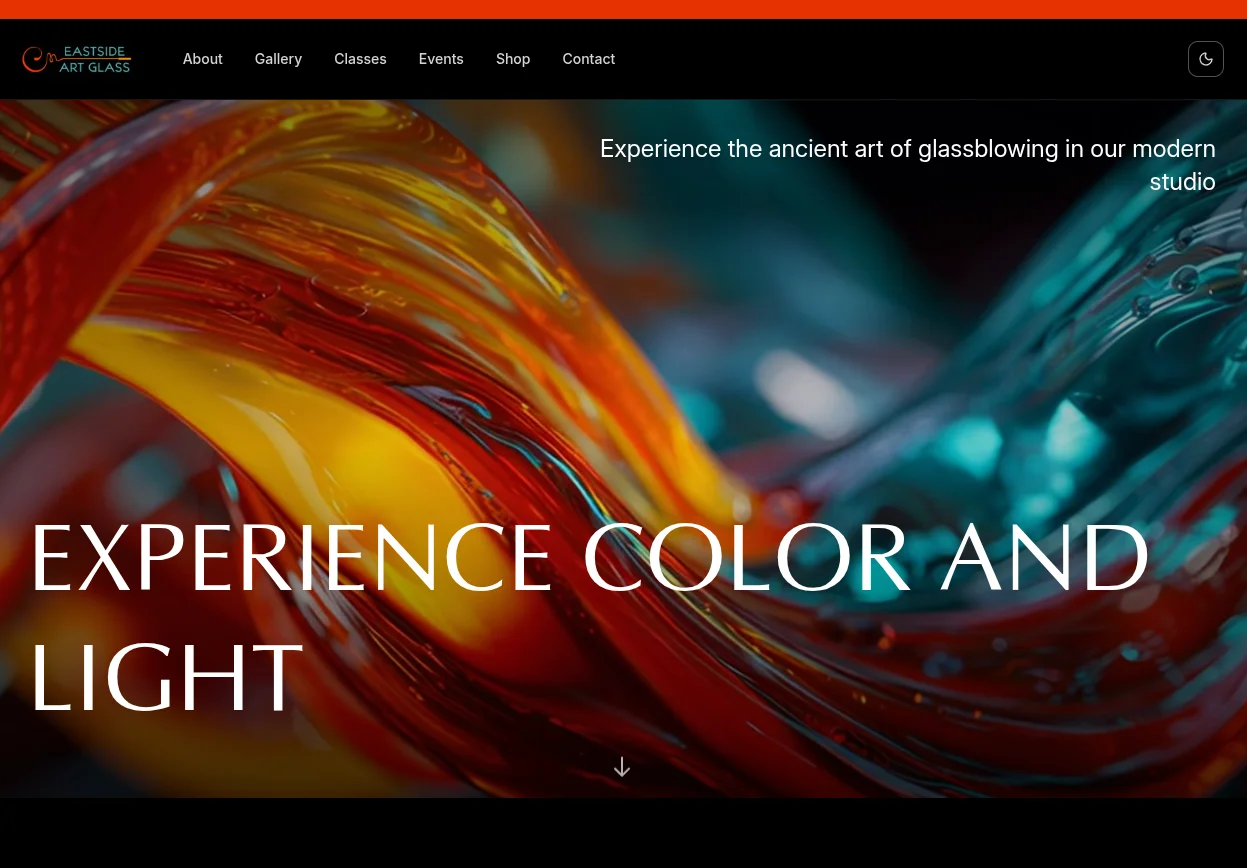
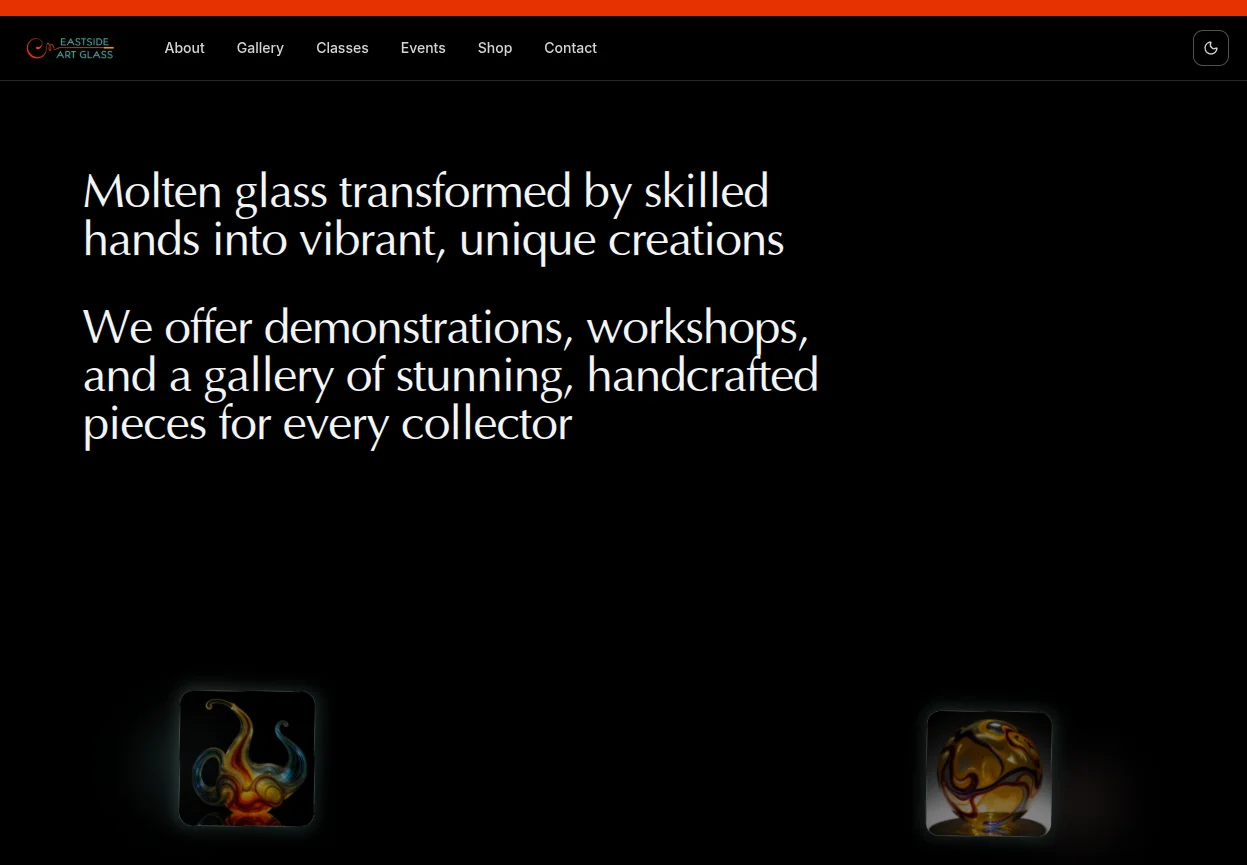
Eastside Art Glass runs a multifaceted business: public classes and workshops, one-off events, a retail gallery and shop, and educational content. Digitally, they were starting from nothing. There was no site connecting these functions and no system behind them, so everything that tied the business together was handled by hand.
What felt frustrating:
No website connecting the different parts of the business
No online way to book classes or events
Everything managed manually
Staff needed one system they could run and update themselves
What They Thought They Needed
A website
A way to list and fill classes
An online shop
What They Actually Needed
Shared data across events, classes, and products
Booking and commerce that reflected real studio workflows
Consistent communication with customers
A platform staff could manage confidently without technical support
The real need was a unified operational system from the start. Building each piece as its own separate tool would have created fragmentation before they had even launched. They didn't just need pages. They needed shared data across events, classes, and products.
The Approach
We designed a single platform that treated the studio as one cohesive operation, not a collection of features. The goal was operational clarity, not digital novelty.
One system instead of many tools
Clear structure over clever automation
Non-technical usability as a baseline requirement
A clean, consistent visual identity
What We Built
Grouped by what it enables for the business.
Visibility
What they can now see
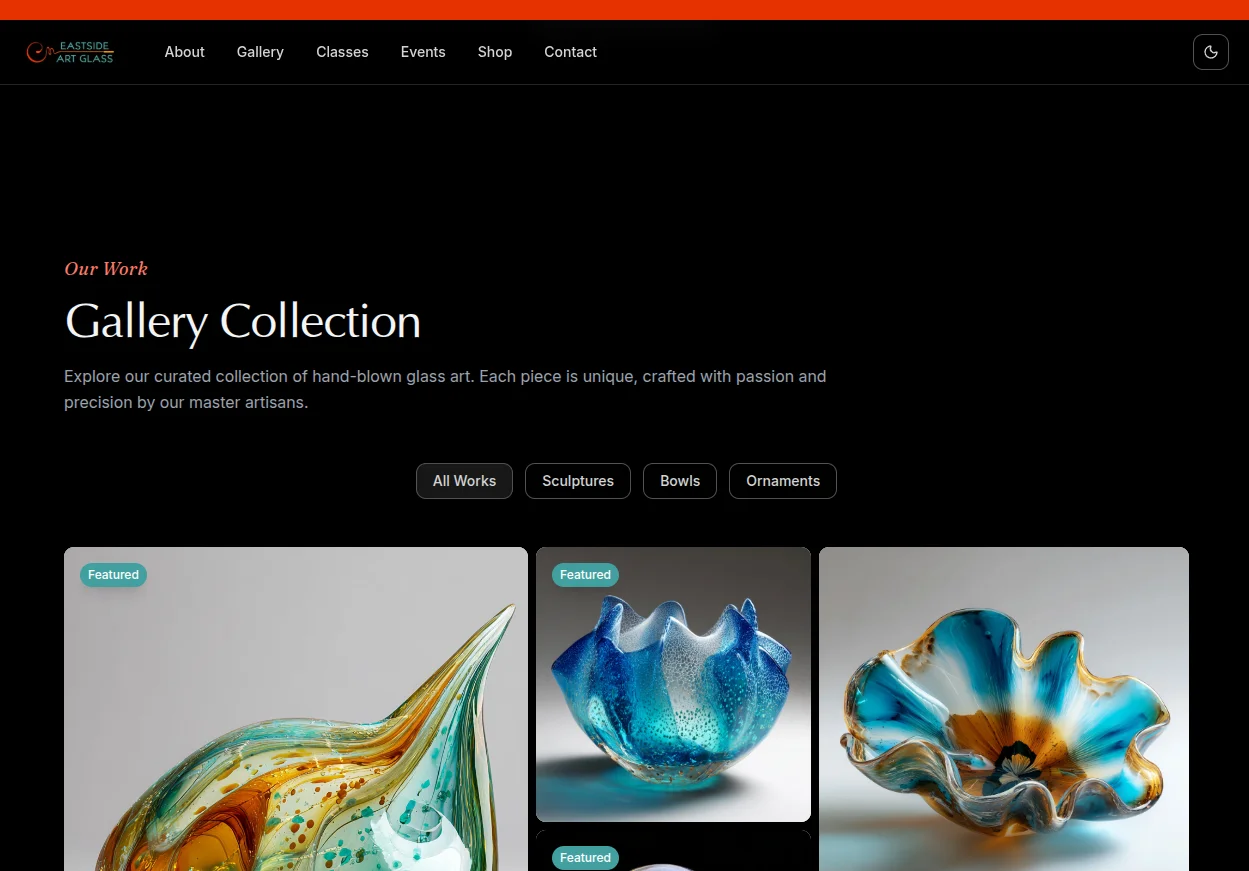
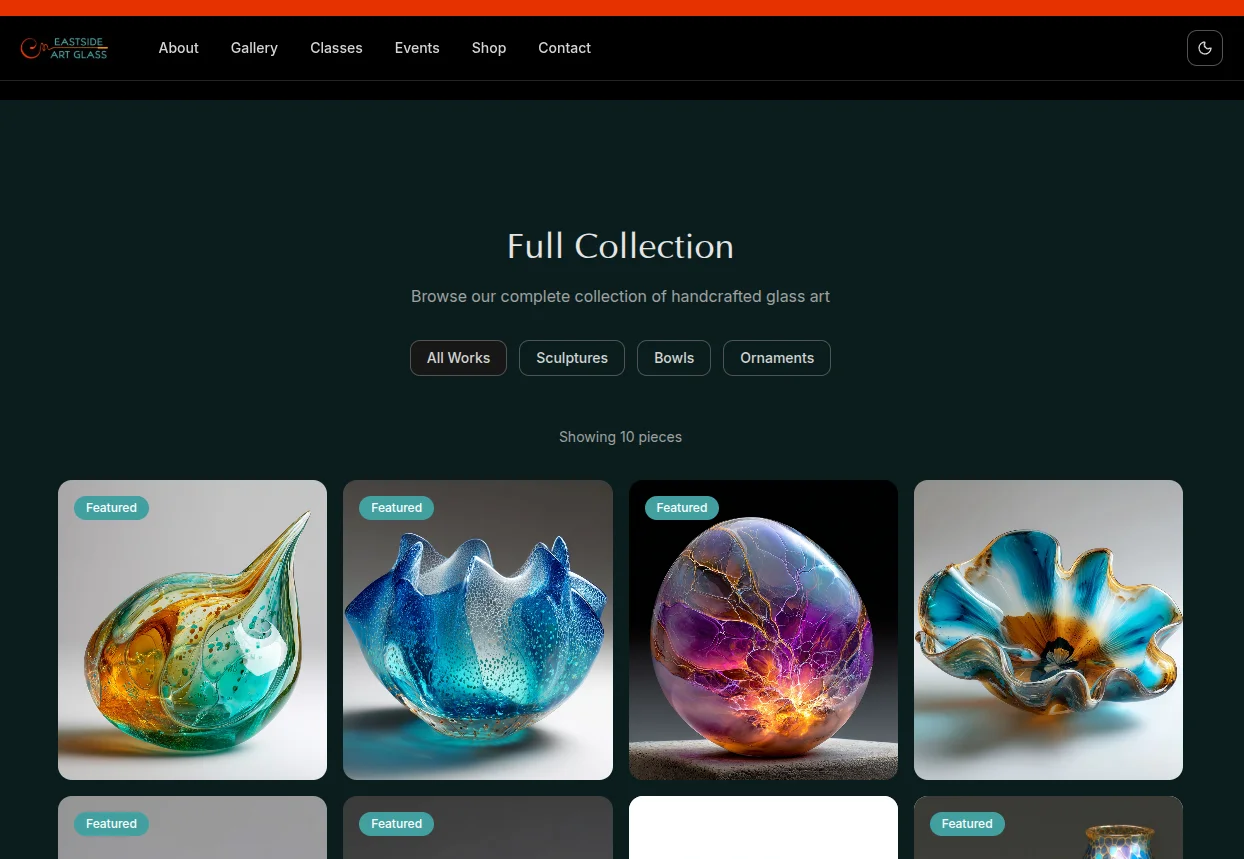
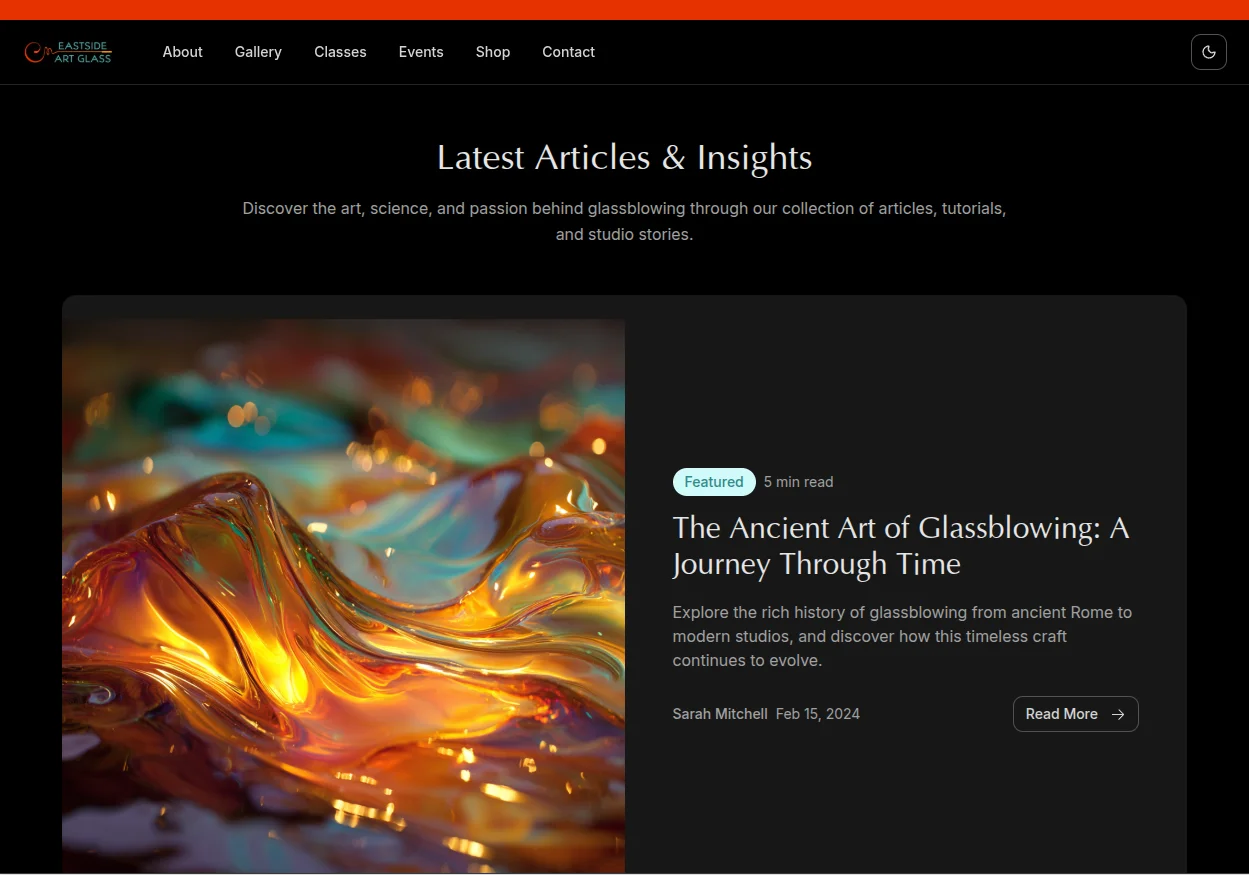
CMS-managed articles, events, classes, and gallery content
Clear editorial structure for ongoing updates
Flexible gallery presentation for artwork
Control
What they can now manage
Class and event scheduling tied directly to availability
Booking flows designed for clarity and ease
Online shop for gallery pieces and products
Shared inventory logic where appropriate
Automation
What no longer requires them
Automated email confirmations to reduce manual follow-up
Groundwork for a consistent experience across in-person and online sales
Flexibility
What they can change themselves
All areas editable by staff without developer involvement
Interfaces designed to support day-to-day use, not just launch
Consistent visual execution across the platform
Color, Light & Craft
Business Impact
Built to centralize studio operations
Designed to reduce administrative friction
Clearer presentation of classes and events
Staff can manage updates without developer help
A cohesive experience across content, booking, and commerce
Designed to be an operational asset, not a maintenance burden
Why This Worked
The approach works because it treats the studio as a living business, not a static website. We integrated systems where it mattered, separated them where it didn't, and designed for the people running the studio, not idealized users. The technology stays in the background so the work can stay front and center.
Is This You?
This approach works well for studios, makerspaces, and arts organizations, businesses offering both experiences and products. Especially teams that need flexibility without technical complexity, and when multiple revenue streams need to work together.
Ready to Build Your System?
Let's talk about where your business is at and what the right next step might be. No pitch, just a conversation.